Things to Do in Milos
Lunar beaches, painted cliffs, and fish straight off the boat
Top Things to Do in Milos
Find activities and tours you'll actually want to do. Book through our partners -- no booking fees.


Plan Your Trip
Essential guides for timing and budgeting
Climate Guide
Best times to visit based on weather and events
View guide →Day Trips
The best excursions and nearby destinations worth the journey
Explore day trips →Where to Stay
Best neighbourhoods, hotel picks, and booking tips
Find hotels →Travel Insurance
What's required, what coverage matters, and how to get a quote
Read guide →What to Pack
Climate-specific gear, essentials, and what to leave at home
See packing list →When Should You Visit Milos?
Tap a month for weather, crowds, and highlights
View full year-round climate guide →Your Guide to Milos
About Milos
Milos opens with a flash of white. Sarakiniko's stones bounce the Aegean sun straight into your eyes until you tear up, turning the cove into a photographic negative where you half expect lunar dust underfoot. From hilltop Plaka, the island unrolls like a watercolor: terracotta roofs, cobalt doors, and the sulfur-streaked cliffs of Paleochori glowing ochre and rust.
Adamantas harbor clinks with fishing boats that sell their catch at 1 PM sharp, grilled octopus for €8 ($8.50) at Medusa in Mandrakia, tentacles charred and curled like ancient scrolls. In Pollonia, children cannonball off the pier while grandmothers shell fava beans for tomorrow's soup, and the bakery opens at 6 AM to sell koufeto (honey-soaked almonds) still warm from the tray.
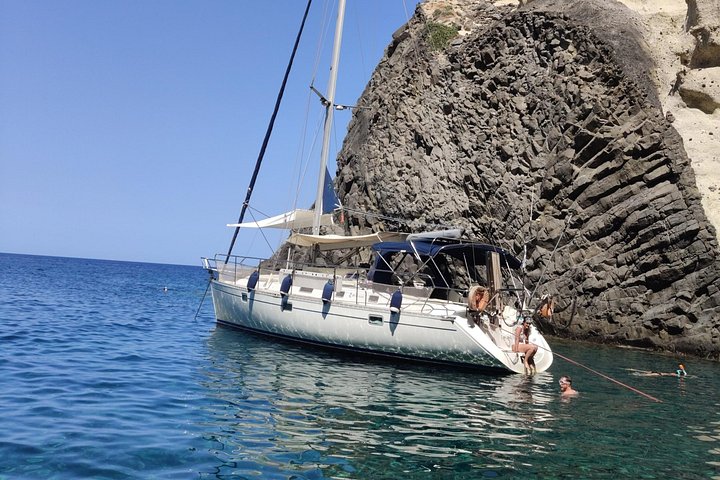
Volcanic fingerprints appear everywhere: hot springs at Kanava, obsidian-black sand at Papafragas, and abandoned sulfur mines that smell like struck matches even twenty years after closure. The trade-off? August jams narrow roads into parking lots, and you'll pay €180 ($195) for a room that costs €90 ($98) in May. Yet swim into Kleftiko's sea caves, where the water glows electric blue even under cloud cover, and the crowds feel like someone else's problem.
Travel Tips
Transportation: Rent a quad bike, not a car. The island's roads were designed for goats, and the €35 ($38) daily rate for an ATV beats the €55 ($60) car rental plus the stress of reversing down cliffside tracks. From Adamantas port, the bus to Plaka costs €2 ($2.15) and runs hourly, except Sundays when it doesn't run at all. Download the Milos Bus app before you land. The timetables are surprisingly accurate. The real insider move? Book the morning boat tour to Kleftiko (€45/$49) directly at the port at 7 AM when the operators are desperate to fill spots and will knock €10 off the listed price.
Money: Bring cash, as half the tavernas still operate on handwritten receipts and calculator apps. ATMs in Adamantas and Plaka work fine. But the one in Pollonia runs out by Saturday evening during high season. Tavernas typically charge €14-18 ($15-19.50) for a whole grilled fish, yet weight-based pricing means that €18 fish might be €28 ($30.50) if you're not paying attention, always confirm the per-kilo rate. The bakery in Plaka sells spanakopita for €2.50 ($2.70), a third of what beach bars charge. Exchange some euros before arriving. The airport ATM charges €5 ($5.40) for withdrawals.
Cultural Respect: When you photograph the syrmata (colorful boat garages) in Klima, remember people live there. The fishermen get visibly annoyed when tourists pose on their front steps. Church bells ring at 7 AM on Sundays, consider it a cultural alarm clock. Tipping 10% at restaurants is appreciated but not expected. Rounding up the bill works for everything else. In tavernas, the owner might bring you dessert 'on the house', this isn't generosity, it's tradition, and refusing it is borderline rude. The elderly men at the kafenio in Plaka will nod if you greet them with 'Kalimera,' but they'll light up if you attempt 'Ti kanete?' (how are you?).
Food Safety: Eat the street food, it's safer than the tourist traps. The gyro truck parked by Adamantas beach serves pork for €3.50 ($3.80) that's been rotating since 6 AM, infinitely fresher than the €12 ($13) hotel breakfast. Drink bottled water. The tap water tastes metallic from volcanic minerals. That said, the ice in cocktails is fine everywhere, hotels use filtered water. Avoid fish displayed in direct sun at beach tavernas. If the octopus tentacles don't spring back when poked, walk away. The bakeries work on medieval baker's hours: fresh bread at 7 AM and 5 PM sharp. Miss those windows and you're eating yesterday's koulouri.
When to Visit
May and early June hit the sweet spot: water's warm enough to swim (23°C/73°F), hotel prices hover around €120 ($130) for a decent double, and the island's covered in wildflowers. July cranks the heat to 32°C/90°F and prices jump 60%, but the meltemi winds keep things bearable, though they'll also sandblast you at the beach.
August is pure chaos: 35°C/95°F heat, zero parking, and €220 ($240) rooms that were half that in May. September redeems everything: the crowds thin, water hits its warmest at 25°C/77°F, and hotels drop back to €100 ($108). October brings perfect hiking weather at 24°C/75°F, though some tavernas start closing mid-month.
Winter is quiet and contemplative, locals outnumber tourists 3:1, but the sea caves close when the meltemi gets aggressive, and you'll need a jacket for 15°C/59°F evenings. Easter week (usually April) sees the whole island erupt in lamb roasts and fireworks. Book six months ahead for this. The Milos Mining Museum festival in late October draws geology nerds and offers free boat tours to otherwise inaccessible beaches.
If you're flexible, aim for the last two weeks of May or first two weeks of September, clean water, warm days, cool nights, and tavernas still serving at full capacity.
More Ways to Experience Milos
Tours, day trips, and local experiences curated by on-the-ground operators.
Didn't see anything interesting yet?
Browse Viator's full catalog of tours, day trips, food experiences, and private guides in Milos.
See All Milos Tours on Viator